
Modern Bathroom Mirrors in 2026: Lighting, Style, and Smart Functionality
Why LED Bathroom Mirrors Are So Popular
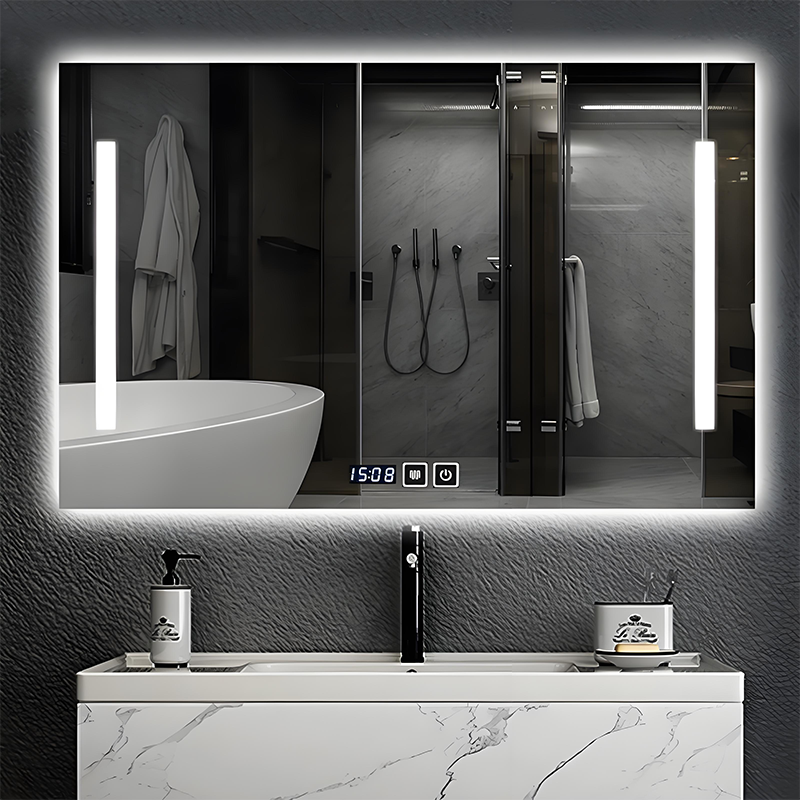
One of the fastest-growing trends in bathroom design is the LED bathroom mirror. These mirrors feature built-in LED lighting that provides clear and even illumination across the face.
Traditional overhead lights often create shadows, which can make daily tasks like shaving or applying makeup more difficult. LED mirrors solve this problem by distributing light evenly around the mirror.
Typical LED mirror specifications include:
| Feature | Specification |
|---|---|
| LED Type | 2835 SMD LED |
| Lifespan | ≥50,000 hours |
| Color Temperature | 3000K / 4000K / 6000K |
| Power Consumption | 10–20W |
| CRI | ≥90 for natural color reflection |
A high Color Rendering Index (CRI) ensures that colors appear accurate and natural in the mirror, which is particularly important for grooming and skincare routines.
Anti-Fog Technology Improves Everyday Convenience
Anyone who has taken a hot shower knows how quickly bathroom mirrors can fog up. Modern mirrors now include built-in anti-fog technology to solve this problem.
A thin heating pad behind the mirror gently warms the glass surface, preventing condensation from forming.
Common anti-fog specifications include:
Heating pad power: 10–15W
Activation: touch sensor or automatic switch
Defogging time: 1–2 minutes
This small feature can greatly improve daily convenience, especially in busy households.
Smart Bathroom Mirrors and Modern Technology
Another emerging trend is the smart bathroom mirror, which integrates digital features directly into the mirror design.
Many smart mirrors now include:
Touch sensor lighting control
Brightness dimming
Bluetooth audio connection
Time and temperature display
Memory lighting settings
These features turn the mirror into a multifunctional device that fits well into modern smart homes.
Durable Materials Designed for Bathroom Environments
Because bathrooms have high humidity levels, mirrors must be built with materials that resist moisture and corrosion.
Most high-quality LED bathroom mirrors use the following materials:
| Component | Material |
|---|---|
| Mirror Glass | Copper-free silver mirror |
| Mirror Thickness | 5 mm |
| Frame | Aluminum alloy |
| Waterproof Rating | IP44 |
| Input Voltage | 100–240V |
Copper-free mirrors are particularly popular because they resist black edge corrosion and last longer in humid environments.
Popular Bathroom Mirror Sizes
Bathroom mirrors are available in many different sizes to suit various bathroom layouts.
Common size options include:
600 × 800 mm – ideal for single vanities
700 × 900 mm – balanced option for standard bathrooms
800 × 1000 mm – larger mirror for modern bathrooms
800 × 1200 mm – suitable for double sink vanities
Choosing the correct size ensures the mirror complements the vanity while maintaining proper lighting coverage.
Why Bathroom Mirrors Matter More Than Ever
A well-designed modern bathroom mirror improves both style and functionality. It enhances lighting conditions, makes daily routines easier, and adds a sophisticated design element to the space.
With the rise of LED bathroom mirrors and smart bathroom mirrors, this once simple fixture is now a key part of modern bathroom design.
For homeowners looking for an affordable upgrade with a noticeable impact, replacing an outdated mirror is one of the simplest ways to refresh the entire bathroom.